
The Brave Little Berry
Our Story
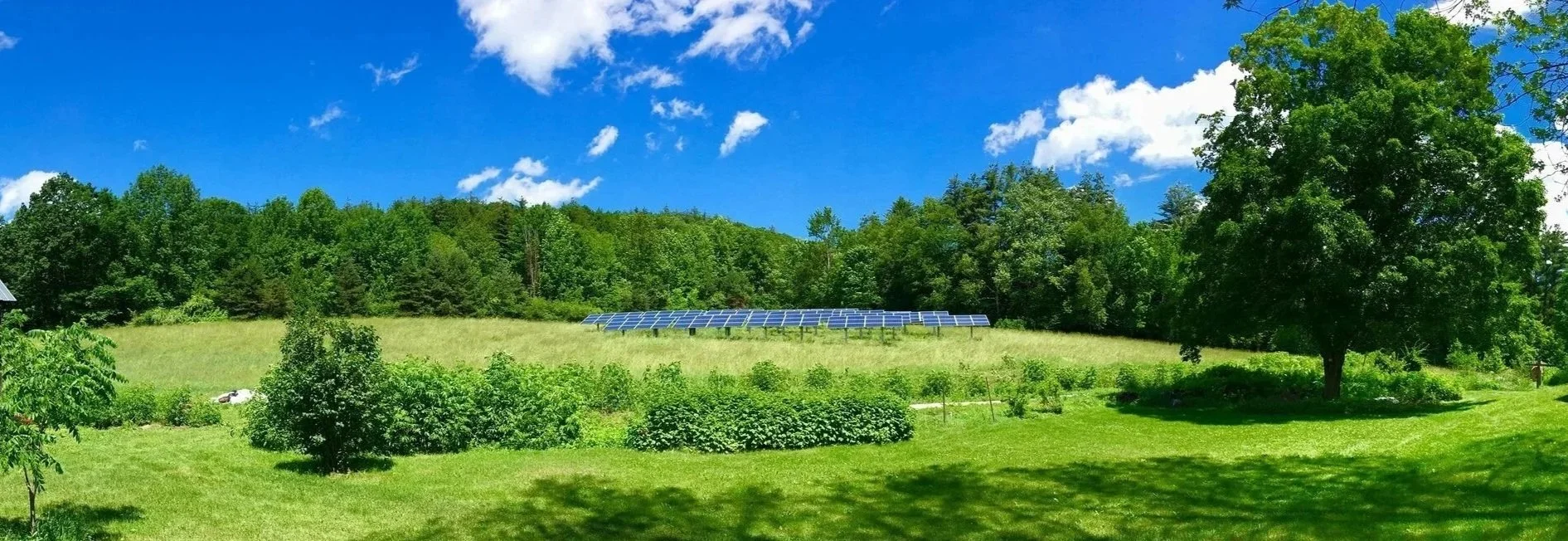
At Vermont Elderberry we consciously nurture the cycle of sustainability. We've transformed a worn-out old dairy farm into a healthy, vibrant soil community, where indigenous (native to the northeast US) shrubs and trees produce food and medicine for us. Our operation is solar-powered. Our berries and other crops thrive in the rich, alluvial Connecticut River bottomland. Elderberries and other native plants evolved in our bioregion, one reason why strong communities of native plants discourage invasive species. We also grow currants, gooseberries, raspberries, blackberries, aronia, kiwi berries, chestnuts, hazelnuts, and butternuts--a diverse variety of indigenous fruits and nuts.
Our Product
We produce and sell frozen, small-batch elderberry juice made exclusively from organic elderberries grown on our family farm. Each batch is pressed right after harvest to ensure maximum flavor and potency. As is traditional with elderberry, our juice is heated to 170 °F (76.5 °C) after pressing.
1 quart PET bottle
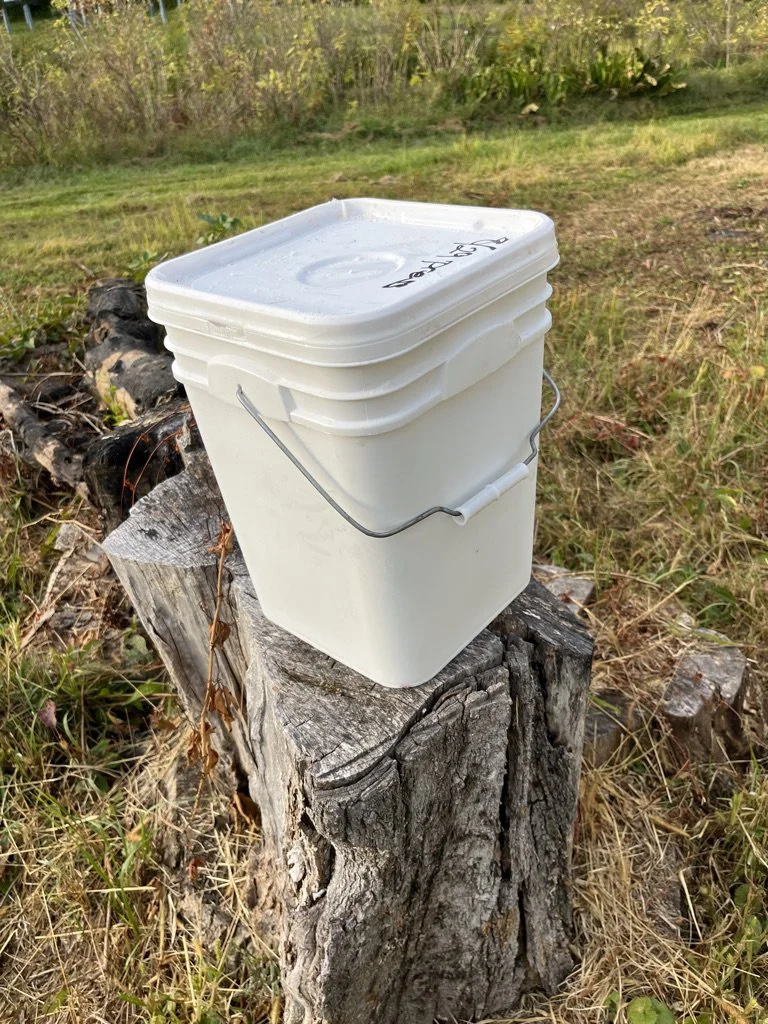
4 gallon HDPE bucket
Our juice is sold in bulk quantities and kept frozen to preserve freshness naturally. Currently we offer sealed 4‑gallon HDPE buckets and PET quarts. The buckets can be custom filled to order. Special orders for 1‑gallon HDPE jugs can be filled upon request. All containers have a tamper‑proof seal.
Please email or call us to place an order.
palgino802@gmail.com
(802) 246-7693
433 River Road South
Putney, VT 05346
We do not currently offer commercial shipping, since costs are very high for delivering frozen products. Customers may pick up their Vermont Elderberry orders directly at our farm or arrange pickup at select locations in our region.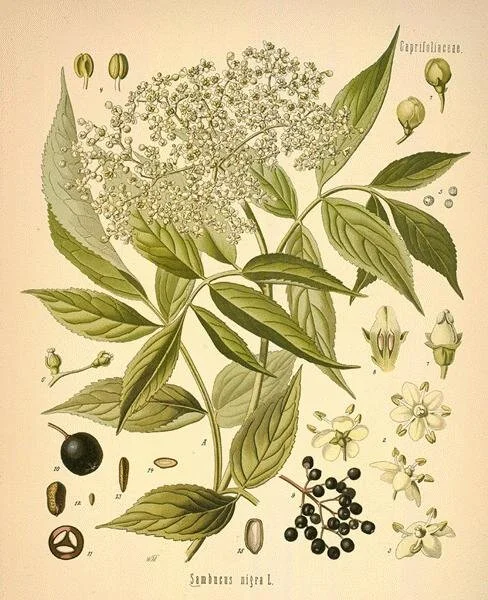
Nature’s Medicine Cabinet
These tiny berries known as elderberries, or Sambucus canadensis, contain more antioxidants than any other fruit native to North America.
They have been used medicinally for centuries in both the New World and the Old.
Elderflowers are a prized food source for pollinators, such as our threatened native bees and honeybees.